

Miette Road is one of the most scenic and historically significant routes tied to the development of Edmonton. This route leads to the famous Miette Hot Springs, located in Jasper National Park—one of Canada’s top tourist destinations. Building the road was an extreme undertaking. Engineers had to conquer steep mountain slopes, massive rock formations, and treacherous terrain. Today, Miette Road isn’t just a vital transport artery; it’s a favourite route for travellers. Read more about its construction history and significance at edmonton-future.com.
Why Miette Road Became a Crucial Great Depression Project
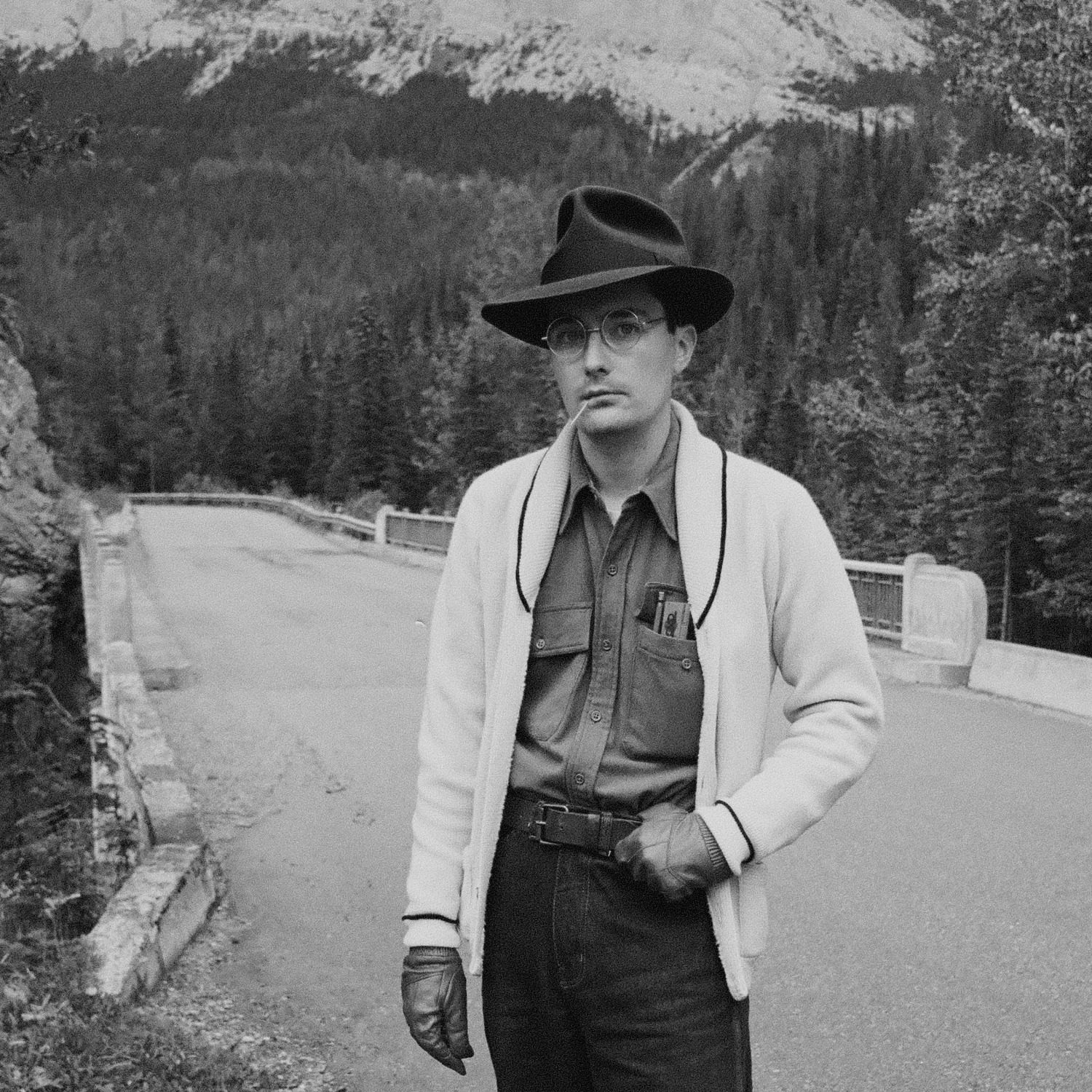
The Great Depression dealt a devastating blow to the Canadian economy. In the years following the stock market crash, the country’s Gross National Product plummeted by about 25%. Personal incomes in Alberta dropped by 48%, and agricultural wages fell by 50%. Farm land values crashed by 40%. Mass unemployment swept the nation. Dust choked the crops, and fires ravaged cities. Federal and provincial governments bickered, passing the buck back and forth. No one wanted to take responsibility or foot the massive bill for relief efforts during the Great Depression. Fortunately, J.B. Harkin’s Dominion Parks Branch took a more proactive stance. While other levels of government viewed the growing radicalization of the country’s unemployed as an unwanted headache, the Parks Commissioner saw an opportunity. He argued that establishing a network of labour camps across Canada’s national parks could harness this untapped workforce to create profitable tourist attractions. Moreover, the men would receive three square meals a day, a warm bed, and a healthy natural environment to weather the hard times. Former Prime Minister Richard Bedford Bennett largely ignored Harkin’s proposal for relief camps. It wasn’t until October 1932, after years of deepening unemployment, that the Dominion government adopted a similar program. Unwilling to wait, the resourceful Parks Commissioner had already launched his own initiative to tackle the crisis.
In 1930, Parliament passed the Unemployment Relief Act, pledging $20 million to create jobs. The catch for the Parks Branch was that the Act prevented federal departments from accessing these funds; relief projects were strictly a provincial domain. To bypass this, Harkin struck a deal with the governments of British Columbia, Alberta, Saskatchewan, and Manitoba. In exchange for the provinces funding park infrastructure, the Parks Branch would build and manage the labour camps within its borders.
Construction Challenges: Mountainous Terrain, Climate, and Labour Camps
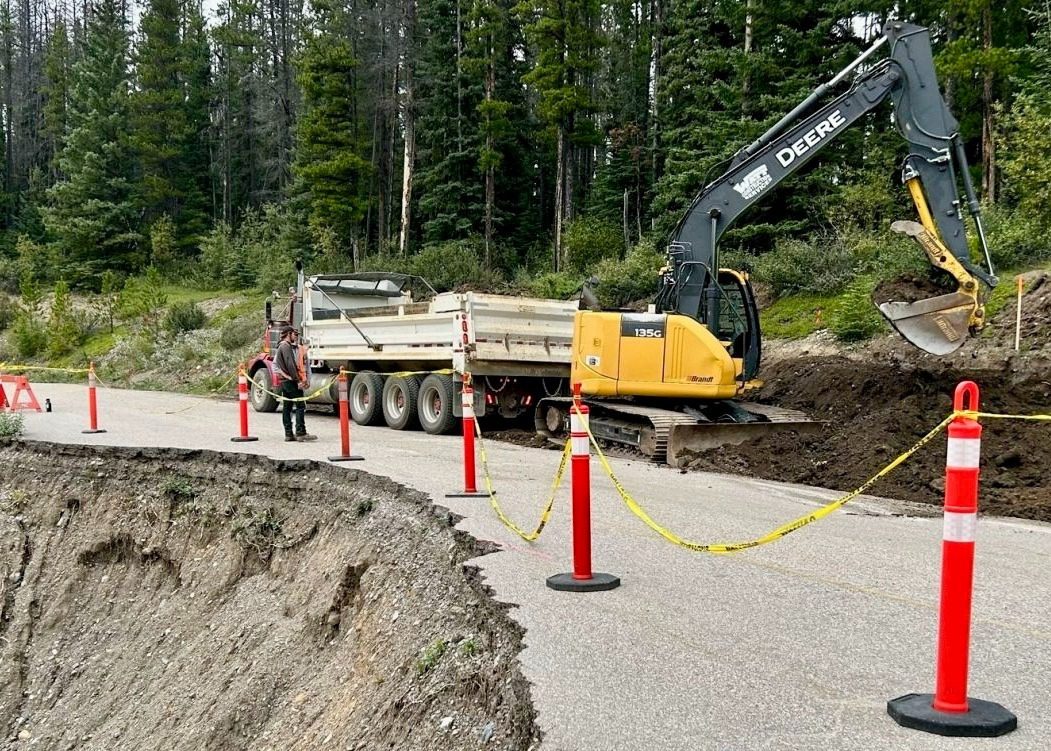
As a result, the Parks Branch set up three major labour camps in Alberta. One in Banff National Park took in unemployed men from Calgary and southern Alberta. The other two, located in Jasper and Elk Island National Parks, hired men from Edmonton and central Alberta. Initially, relief work in these camps consisted mostly of labour-intensive general maintenance. However, as historian Bill Waiser noted, once a large workforce was secured, several major road-building projects were launched. This was alongside the construction of public facilities like picnic shelters, warden cabins, and administrative buildings.
One of the most ambitious public works projects undertaken by the Parks Branch at the time was building the road to Miette Hot Springs in Jasper National Park. For years, people suffering from rheumatism had reported great relief from bathing in these waters. The Edmonton Journal noted that the existing trail was in terrible shape, restricting access to the springs to horseback only. The Parks Branch aimed to change this, drafting plans to transform the rugged dirt trail into a fully graded, gravelled road fit for motor vehicles.
By May 1930, the unemployed were hard at work making this a reality. Section by section, they carved a path through the wild valley between the Fiddle Range and Roche Miette. Progress was agonizingly slow as they pushed toward their destination 17 kilometres away, spending $15,000 per season. The work was strictly seasonal. Thanks to torrential rains, brutal winters, and the remote location, Parks Branch officials only permitted construction during a narrow window from May to November. To meet deadlines, workers did double duty along the route—clearing thousands of trees and driving hundreds of steel and wooden pilings.
The crews returned to Miette Road in May 1931, but officials soon sent them packing. Catching on to the Parks Branch’s methods, Prime Minister Bennett introduced the new Unemployment and Farm Relief Act, tightening control over how provinces used the funds. He now restricted federal money to road-building camps along the Trans-Canada Highway, alongside previously approved projects.
What Draws Tourists to Miette Road
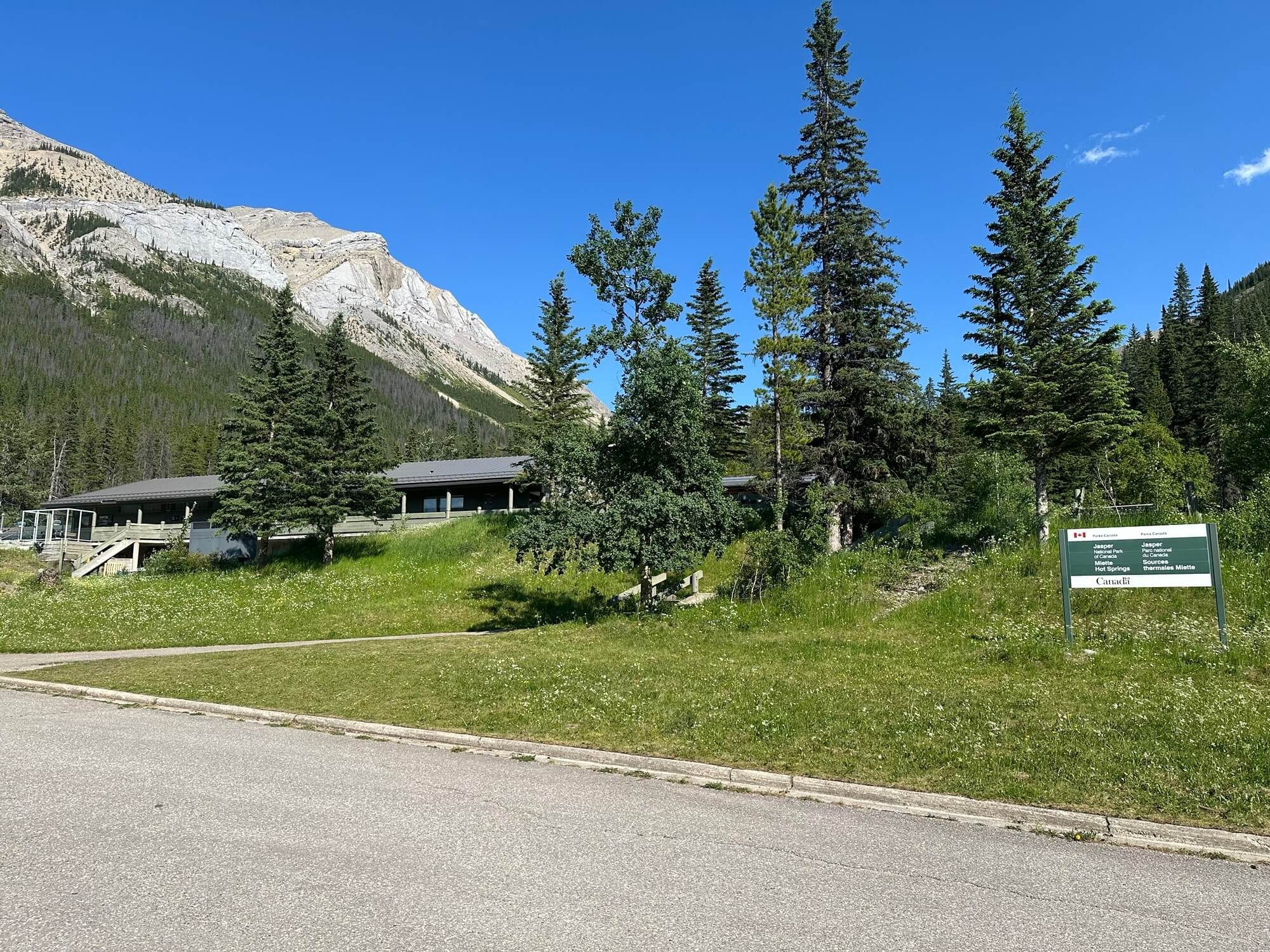
Targeted funding for Miette Road finally came through in 1932. By November 1933, the Edmonton Journal reported that adventurous motorists could reach the springs by car. Although the road wasn’t yet built to its full width or gravelled, vehicles could navigate it by following strict entry and exit rules. To minimize disruptions for the construction crews, the Parks Branch implemented a one-way traffic schedule: cars could drive up to the springs before 2:00 PM and return anytime after 3:00 PM.
Construction dragged on for another year. Even when the road officially opened on June 1, 1934, the gravel still hadn’t been laid. Faye Parker, a Jasper correspondent for the Edmonton Bulletin, predicted the route would be a massive hit with hundreds of people who hadn’t even known the magnificent sulphur springs existed. She was proven right. On June 14, the Edmonton Journal reported that the old wooden pool was packed to capacity for the first time, with Jasper locals and tourists alike soaking in the hot sulphur waters. The road getting there, however, remained incredibly narrow with hair-raising, sharp turns.
On November 17, 1934, the Parks Branch finally disbanded the work crews. After four gruelling years, Miette Road was complete. This route—one of the most breathtaking drives in the park—provided jobs for thousands of men during the darkest days of the Great Depression. These men, whose names are largely forgotten by history and tourists alike, put in over a million man-days of labour: felling trees, hauling gravel, and building bridges.
Interestingly, legend has it that the road was named after Bonaventure Miette, a voyageur and guide who supposedly climbed an unclimbable peak just to smoke his pipe.