

Edmonton is home to numerous churches with stunning architecture that shape the city’s cultural and historical heritage. The former McDonald Memorial Baptist Church deserves special attention. This unique building has become an integral part of Edmonton’s history, drawing the interest of architecture buffs and local historians alike. Thanks to its distinct style, rich past, and spiritual significance, it attracts both locals and visitors. Read more about the church’s history, architecture, and impact on edmonton-future.com.
The Founding and Growth of Edmonton’s Baptist Community
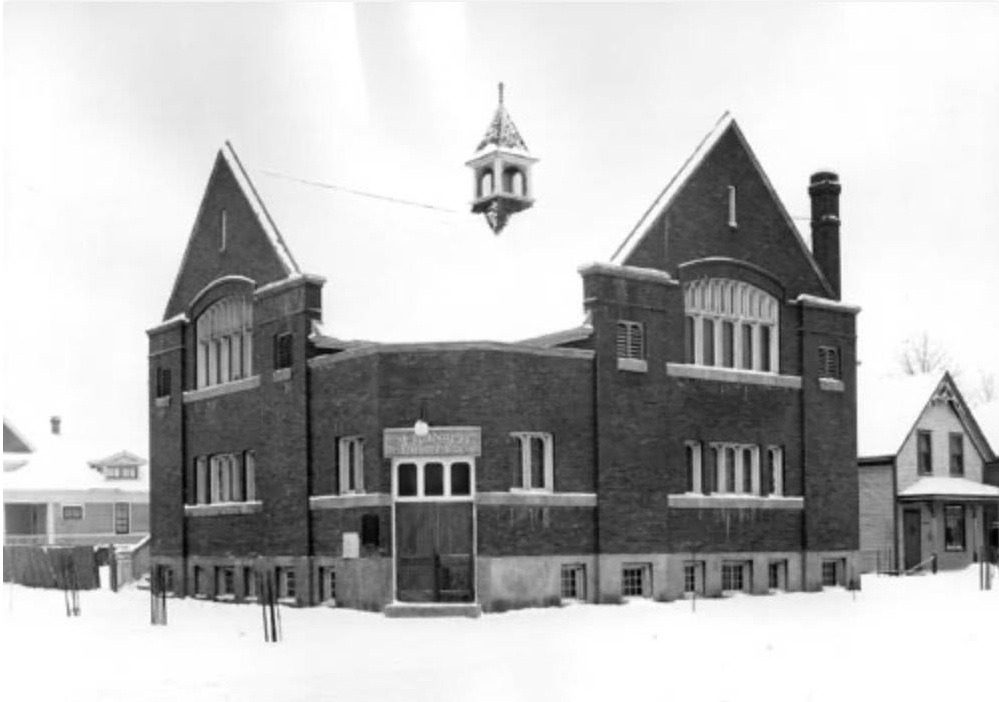
The Syndicate Avenue Baptist Church was founded on August 9, 1907. Led by Student Pastor C. McCaul and supported by the parishioners of First Baptist Church, the young congregation consisted of 32 members at its inception. Founding members included:
- W.H. Reed — a well-known china merchant.
- W.R. Bottom — then secretary-treasurer for Revillon Brothers Limited.
Although the Baptist Board granted the congregation a free plot of land in East Edmonton, they remained without a permanent building for some time. Reverend Herbert S. Sneyd wrote that holding services in a tent during the winter months was quite unusual for the believers, but as the saying goes, necessity is the mother of invention. Unable to find a suitable building for the winter, the congregation had to conduct services in a tent. Fortunately, the winter was mild, and the tent itself was relatively small, accommodating around 150 people.
The congregation grew during its first year, and in 1909, a small wooden building was erected to serve as a temporary meeting place. By the end of 1911, members were actively making plans to construct a dedicated church building. The following year, after securing a $25,000 loan, the congregation purchased a corner lot at the intersection of Picard Street (now 99th Street) and Ottawa Avenue (now 105th Avenue) and got to work.
Construction began in the spring, sparking conversations within the church about changing its name. These discussions were prompted by the recent passing of Alexander McDonald, an influential Baptist preacher. McDonald played a vital role in establishing several congregations in the Edmonton area, including the First Baptist and Strathcona Baptist churches. His death deeply impacted the community. The parishioners on Syndicate Avenue, known for their spirituality and generosity, wanted to honour his memory. A proposal to rename the parish the McDonald Memorial Baptist Church received widespread community support and was soon approved. Thus, when the new building was finished, the name change officially took effect. The building’s dedication ceremony began on Sunday, December 15, 1912, and spanned three full days. The Edmonton Bulletin reported that Reverend A. McDiarmid, the former principal of Brandon College, delivered the inaugural sermon at 11:00 AM. Later that afternoon, at 3:00 PM, Reverend F.W. Patterson of the First Baptist Church also addressed the congregation.
Architectural Features and Unique Style of the McDonald Church
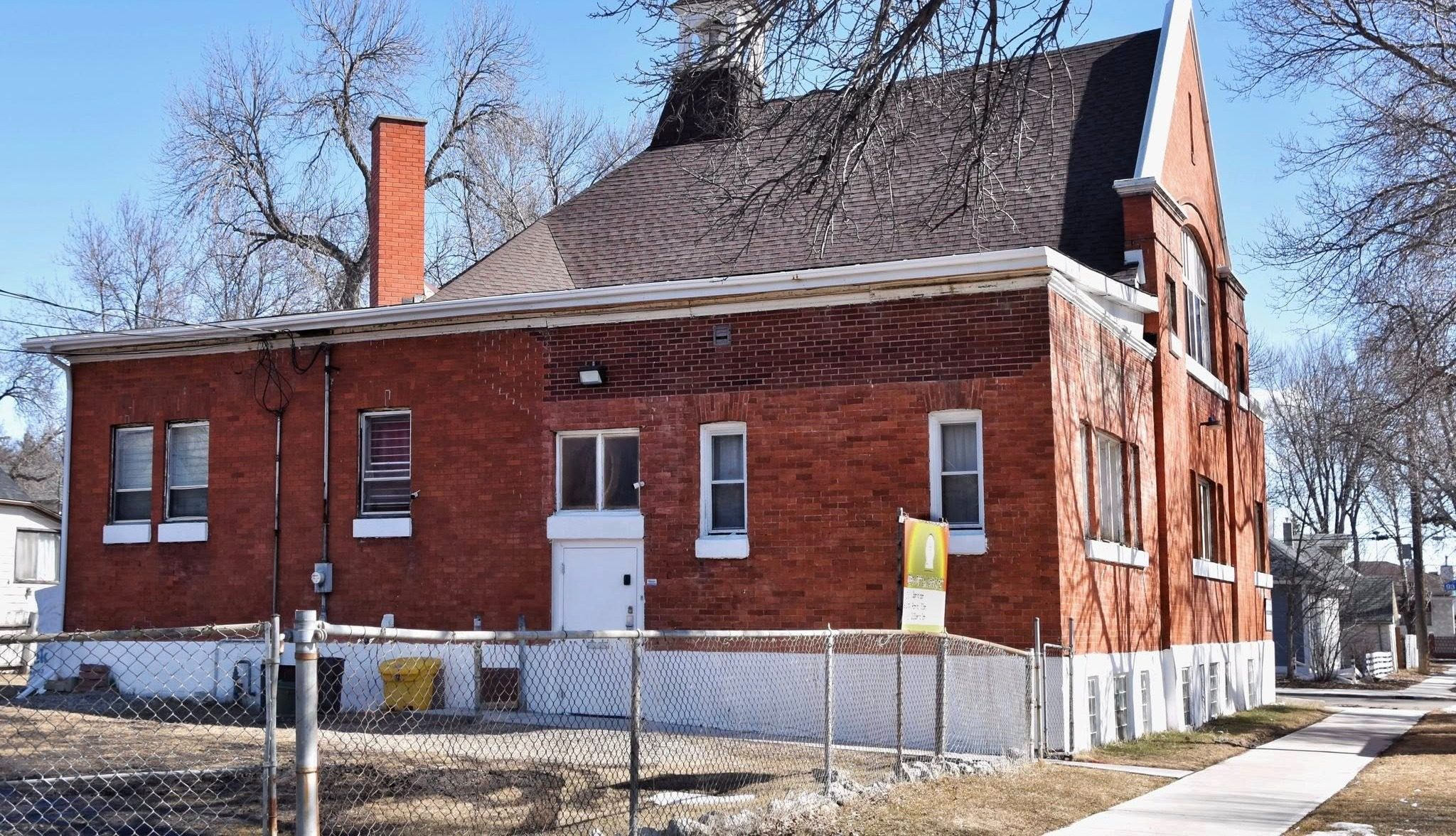
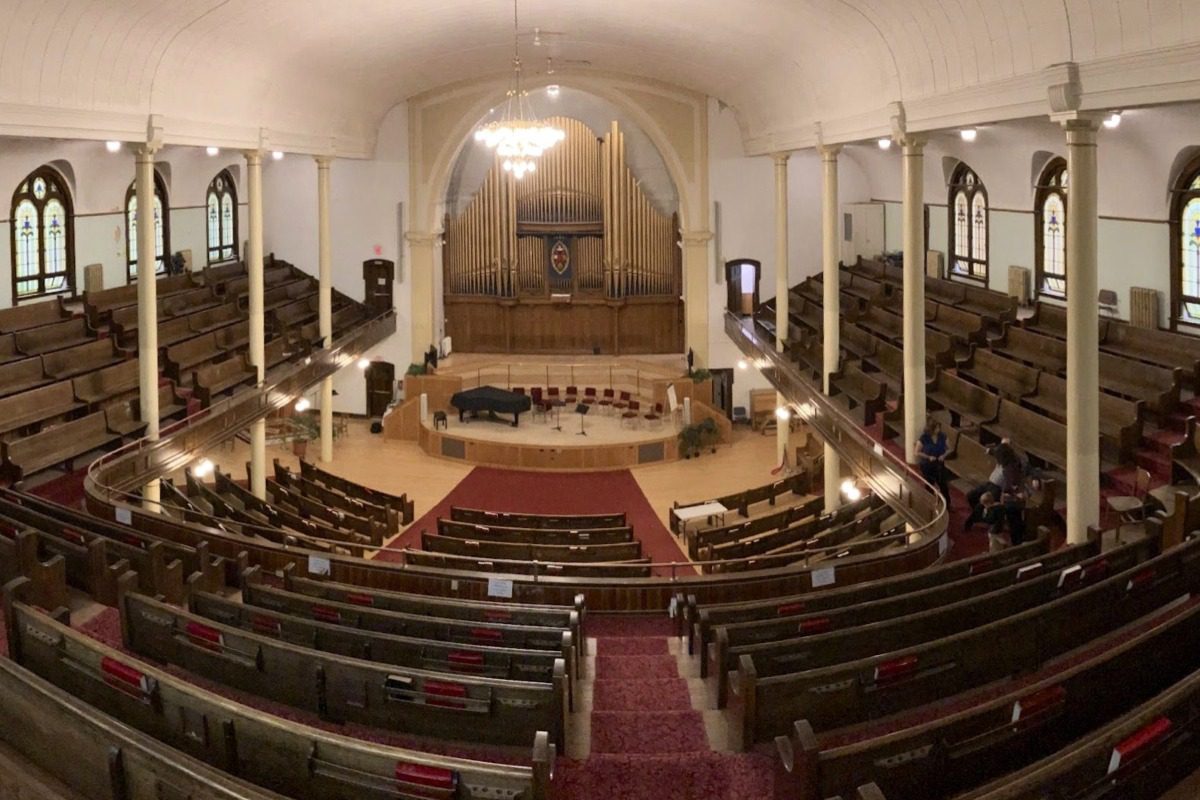
From an architectural standpoint, the McDonald Memorial Baptist Church is undoubtedly one of Edmonton’s most intriguing pre-war structures. Foregoing the cruciform layout typical of many buildings of that era, it boasts a rather unconventional L-shaped design. The pews and balcony curve as if embracing the pulpit. This was partly dictated by the limited lot size, but it also undeniably fosters an atmosphere of spiritual intimacy, bringing the parishioners closer to the sermon.
When the church first opened its doors, it seated 375 congregation members. It featured a steam heating system and soft, indirect lighting installed by the Burnham-Firth Company. The building lacked any built-in musical equipment until 1942, when they purchased an organ originally used to score silent films at the downtown Empress Theatre. A grand piano, bought from the Strand Theatre, soon joined it.
As the congregation grew, the church actively promoted Baptist ideas and continued to expand. In the 1930s, lecture series became a popular outreach method, designed to educate and entertain existing members while attracting new ones. Topics ranged from scripture interpretation and salvation to contemporary issues and politics. Guest speakers were frequently invited, and none were as prominent as Calgary-based Baptist preacher William Aberhart. In his numerous addresses to the congregation, he preached his personal take on Major C.H. Douglas’s Social Credit theory, blending Christian fundamentalism with radical monetary reform. Aberhart’s down-to-earth nature and masterful use of rhetoric and allegory framed his beliefs as a kind of spiritual crusade, drawing thousands of followers. These speeches helped propel him to the role of Premier of Alberta in 1935.
The McDonald Memorial Baptist Church dedicated significant effort to other forms of missionary work, including special outreach programs. A major outcome of this work was the establishment of new congregations; parishioners successfully funded or supported the creation of no fewer than four churches across Alberta. Edmonton’s Delton, Zion, and Highlands Baptist congregations all trace their roots back to the McCauley Baptist assembly. Among these, the Highlands church would have a lasting impact on the McDonald Memorial Baptist Church.
During the 1960s, as the demographics of the McCauley neighbourhood shifted, the McDonald church’s membership slowly but surely declined. Faced with a precarious financial situation and an aging building, the parish approached the Highlands congregation in May 1966 with a merger proposal. The amalgamation took place that September. The McDonald Memorial Baptist Church divided its assets and formally ceased to exist in 1967.
The Church’s Role in the City’s Religious and Social Development
As for the old church building, it was purchased in May 1967 by two Northwest Bible College students, Dennis Sutherland and Laurie Hueppelsheuser. They opened the “People’s Church,” a parish affiliated with the Pentecostal Assemblies of Canada aimed at young Christians. Reverend P.A. Gaglardi, British Columbia’s Minister of Highways, opened and dedicated the building on May 21st, with 300 people in attendance. Sutherland left the church a few years later to become a travelling evangelist. Hueppelsheuser continued to grow his congregation, and in 1978, they relocated from the 93rd Street location to a new building on 101st Street. Over the years, the former McDonald Memorial Baptist Church site has hosted numerous smaller parishes. It is currently home to the One Accord Bible Fellowship and the Ethiopia Church Edmonton.
Ultimately, the history of the McDonald Memorial Baptist Church reflects not only the evolution of a single religious community but also the broader forces shaping Edmonton’s spiritual and social landscape. Evolving from a small group of believers into a major church hub, and eventually merging with other congregations, the church has left a notable mark on the city’s architectural and cultural heritage. Even though the original parish no longer exists, its building continues to serve the community, enduring as a space for faith, fellowship, and new religious initiatives.