

“In Alberta, the sky is the limit. It all depends on you—how hard you work, how inventive you are, and what you want to achieve,” — Jacob H. Masliyah
Jacob Masliyah is a renowned Canadian researcher and scientist, widely recognized for his work in improving the efficiency of oil extraction from Alberta’s oil sands and reducing the environmental footprint of energy projects. His research focuses on developing more sustainable approaches to resource management and advancing technologies within the oil and gas sector. Masliyah has also made his mark as a mentor and educator, playing a key role in training professionals and driving forward research in Canada’s energy sector, reports edmonton-future.com.
Early Life and Education
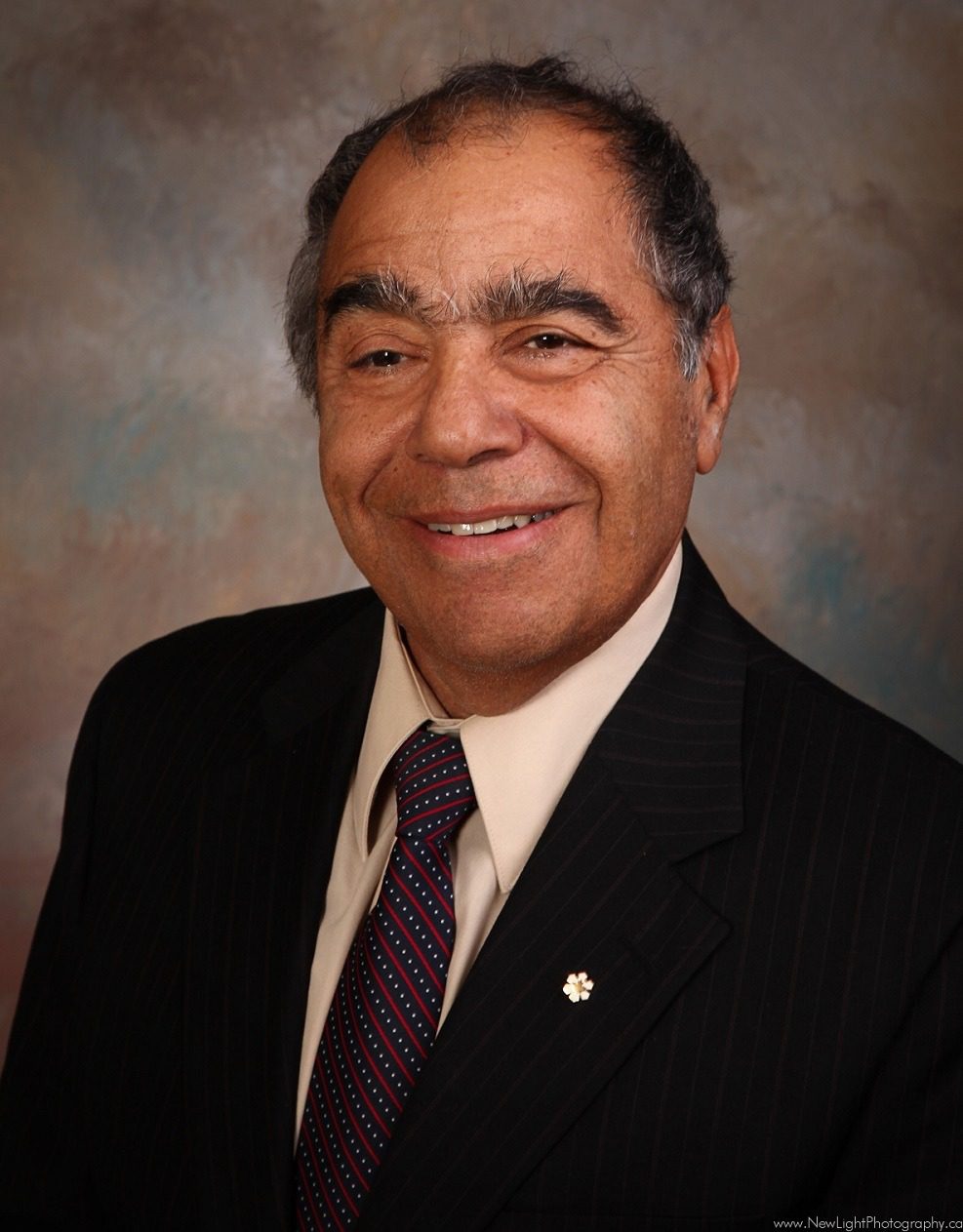
Jacob was born in Baghdad, Iraq, in 1942, into a family of eight that placed a high value on education. He earned his bachelor’s degree in chemical engineering from University College London, followed by master’s and doctoral degrees from the University of New Brunswick and the University of British Columbia.
Always grateful for the freedom and opportunities Canada provided, Jacob has often remarked that immigrating here in 1964 was the smartest decision of his life. He had no doubt that the move would help him hone his scientific and teaching skills. In Canada, he found recognition and encouragement, and quickly began collaborating with top-tier professionals.
Masliyah’s strong work ethic started early; at 17, he was already working, pumping gas. By 1977, he had become an associate professor at the University of Alberta, pioneering the extraction of bitumen from oil sands and optimizing the process. Thanks to the dedication of Jacob and his colleagues, producing a barrel of oil from the oil sands today requires half the energy it did in the 1970s. Through his relentless work, Masliyah played a major role in cementing the University of Alberta’s reputation as a world-leading research and educational institution.
Academic Career at the University of Alberta and Breakthroughs in Oil Sands Technology
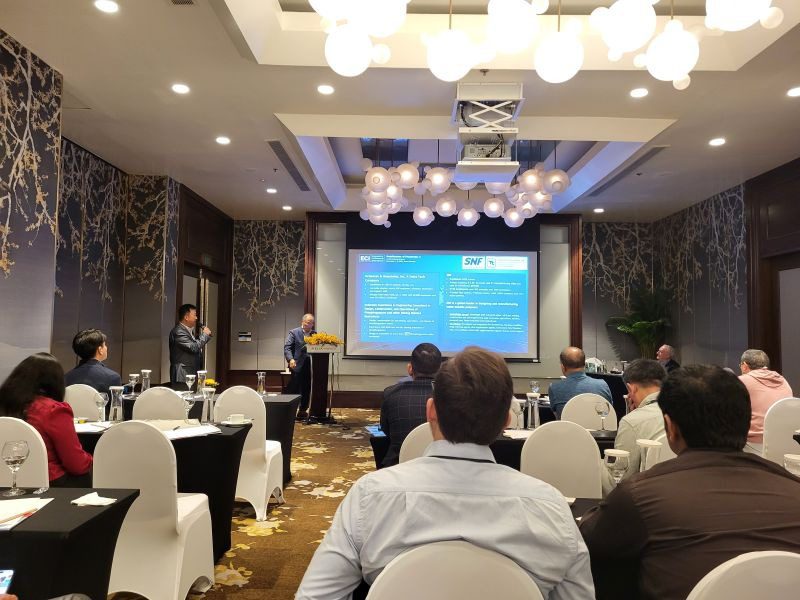
A key driver of Jacob’s success was his ability to forge strong partnerships between academia and industry, ensuring university research gained practical recognition. Masliyah teamed up with Syncrude Canada and the Natural Sciences and Engineering Research Council of Canada (NSERC) to establish an NSERC Industrial Research Chair in Oil Sands Engineering. Jacob served as the inaugural chair at the University of Alberta. Alongside his university professorship, he maintained a second office at the Syncrude Edmonton Research Centre in the Edmonton Research Park. His leadership inspired both university students and Syncrude scientists alike.
Initially backed by Syncrude, the NSERC Chair was an unprecedented success and is now co-funded by the broader oil industry. It served as a catalyst, sparking the creation of numerous research chairs within the University of Alberta’s Faculty of Engineering. Jacob’s insights have directly influenced billion-dollar industry projects. He also met the sector’s practical needs by designing and teaching specialized oil extraction courses for oil sands developers. Furthermore, he established an oil sands engineering specialization for graduate students. Recognizing his impact, NSERC awarded Jacob one of its largest Discovery Grants to support his ongoing research.
Beyond his outstanding scientific leadership, Jacob is equally gifted as a mentor, educator, and recruiter. He was instrumental in bringing top-tier scientists and researchers to Alberta, including key figures who later took on scientific leadership roles within the NSERC program.
Masliyah also helped the University of Alberta build a team of internationally acclaimed scientists. His stellar academic record includes publishing two books on surface science, two handbooks on the theory and practice of bitumen extraction from the Athabasca oil sands, and over 350 peer-reviewed papers. For a time, Masliyah served as the associate editor of the Journal of Porous Media and sat on various international editorial boards in science and engineering. To further champion oil sands research, Jacob established a graduate scholarship at the University of Alberta, awarding $4,000 annually to two deserving students.
The University of Alberta has recognized Jacob’s contributions with its highest honours:
- The J. Gordin Kaplan Award for Excellence in Research.
- The University Cup (only the second in the university’s history) for outstanding teaching, research, and community service.
- The title of Distinguished University Professor for his exceptional achievements.
- An Honorary Doctor of Science degree in 2013.
International Recognition, Awards, and Industry Impact
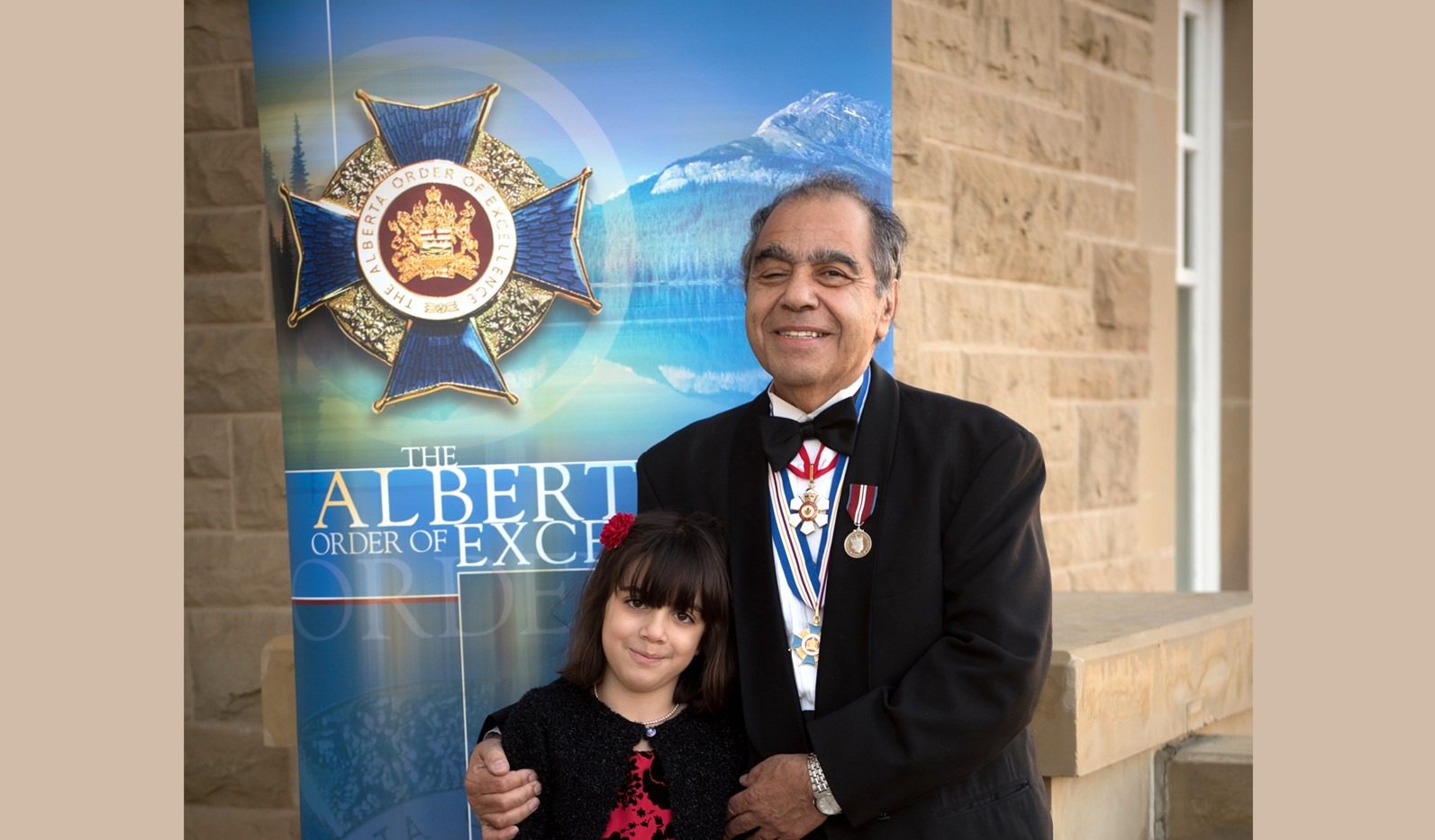
At the provincial level, Jacob received the Alberta Science and Technology (ASTech) Leadership Award for Innovation in Oil Sands Research, the Queen Elizabeth II Diamond Jubilee Medal, and the Alberta Centennial Medal. The Association of Professional Engineers and Geoscientists of Alberta (APEGA) proudly honoured his achievements with the Frank Spragins Technical Award. The Alberta Science and Technology Leadership Foundation also presented Masliyah with an award for outstanding leadership.
On the global stage, Jacob is one of only 16 Canadians—and 218 people worldwide—to be inducted as a foreign member of the US National Academy of Engineering. Over the years, he has travelled extensively, delivering lectures and keynote speeches at universities, conferences, and symposia around the world.
Friends and colleagues overwhelmingly agree that Jacob played a pivotal role in the oil sands energy revolution, making a massive contribution to the economic and environmental well-being of Alberta and Canada. Jacob credits his success to a mix of luck, self-belief, hard work, and collaboration with brilliant students, researchers, and peers across both academia and industry.
Throughout his career, he has inspired countless scientists and students with his enthusiasm, passion, knowledge, and sheer joy of discovery. Now a Professor Emeritus of Chemical Engineering, Masliyah continues to share his expertise. He regularly meets with young professors to discuss the science and technology of bitumen extraction, and he runs seminars on oil sands fundamentals for industry professionals.
As APEGA enters its second century, Masliyah’s career and life experience offer valuable perspectives on the future of the oil sands. He argues that there is still much to be done and developed in the sector, even as society gradually transitions away from carbon-based energy.
Jacob believes that our reliance on fossil fuels will not disappear in the short term. The key, he emphasizes, is recognizing the urgent need to mitigate their negative impacts. For instance, the oil industry is actively working to reduce the emissions generated to produce a litre of gasoline. At the same time, the onus is on other sectors to ensure that equipment running on hydrocarbon fuels operates as efficiently as possible.