

Edmonton’s public transit has a fascinating history that reflects societal shifts and urban transformations. The Edmonton Transit Service has played a key role in shaping the city’s landscape. In this article on edmonton-future, we’ll delve into the history of public transportation in the city.
The Beginning: The Streetcar Era
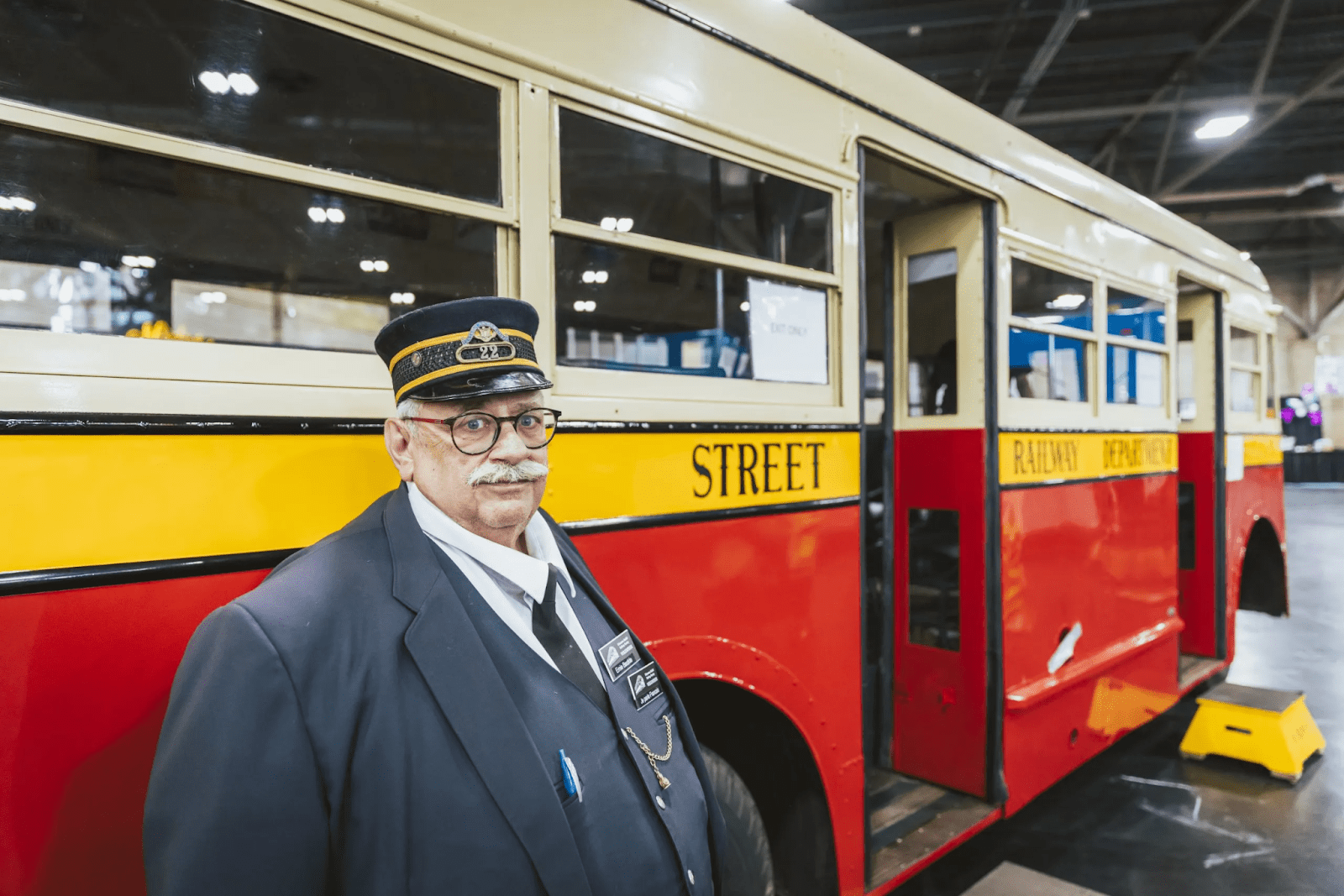
The history of the Edmonton Transit Service (ETS) began on October 30, 1908, with the creation of the Edmonton Radial Railway. The streetcar system grew and expanded rapidly. By 1912, the system was carrying over 10 million passengers annually, which prompted the city to purchase 47 additional streetcars.
Streetcars remained highly popular in the city until the late 1930s. Then, trolleybuses and motorbuses began to appear, which residents preferred over the older streetcars. The transition to buses slowed during World War II, and the city even had to build new tracks for the streetcars.
After the war, the switch to trolleybuses gained momentum. By 1949, only two streetcar routes remained, and in 1951, the final run crossed the High Level Bridge. It was a ceremonial trip for city officials.
It wasn’t until 1980 that the Edmonton Radial Railway Society was formed. This non-profit group began restoring old streetcars and later launched the heritage streetcar service that runs to Old Strathcona over the High Level Bridge during the warmer months. This ride allows you to immerse yourself in the atmosphere of 20th-century Edmonton and offers a wonderful experience.
The History of the Trolleybus System
Trolleybus service was introduced in 1939 as part of a city-wide modernization plan. The system developed over its first decade and soon became a common sight on city streets. The trolleybus network reached its maximum length in the 1960s, finally serving all of Edmonton’s key neighbourhoods.
However, over time, operating trolleybuses became less cost-effective compared to diesel buses. In 2009, the decision was made to shut down the trolleybus network. The last day of regular trolleybus service in the city was May 2, 2009.
Buses: The Top Choice
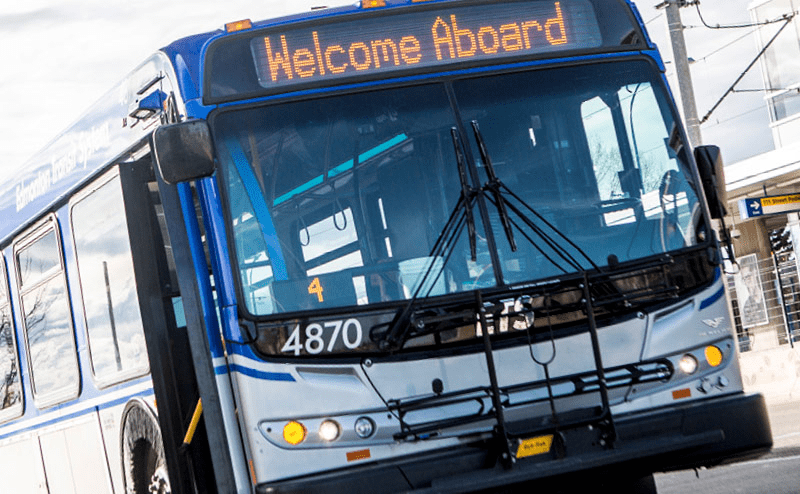
The bus system appeared in Edmonton at almost the same time as the trolleybus system, but it proved to be much more versatile. Initially, buses were only used in areas without streetcar tracks, but they became much more popular after World War II.
During the 1970s and 1980s, the city’s bus fleet was continuously expanded and updated. In 1977, Edmonton introduced its LRT (Light Rail Transit) system, and buses began to work in conjunction with it. Buses were primarily used as feeders to connect passengers to LRT stations.
In 1993, Edmonton Transit purchased 43 low-floor buses from New Flyer Industries. These buses offered crucial accessibility features for people with disabilities: they had no steps at the front and rear doors, making boarding and exiting much easier. The buses cost $220,000 each and were fully equipped to serve people with disabilities.
Large-scale reforms to modernize the bus system began in 2017. In 2018, a draft of a new bus network was published, which reduced the number of unpopular routes and increased the frequency of service where it was needed most. The navigation system was also overhauled, and all routes were renumbered for convenience.
LRT
In 1974, Edmonton became the first city in North America with a population under one million to build a Light Rail Transit (LRT) system. It was also the third city in Canada to incorporate LRT into its public transit network.
In 1975, the Disabled Adult Transit Service (DATS) was also introduced. This innovative program was developed in collaboration with the DATS Advisory Board and provided residents with disabilities greater independence.
Testing of the first LRT line began in 1977, and the system officially opened in 1978. The launch was timed to coincide with the opening of the Commonwealth Games, which were being held in the city.
Late-Night Service
In 2015, late-night service was introduced on several key routes. These “Owl” routes run every 30 minutes, with regular daytime service resuming at 5:00 AM.
The late-night routes allow residents to get home safely after a late shift or a night out without needing to order a taxi. This is especially important for people working in healthcare and the service industry. Night transit also supports businesses that operate around the clock, stimulating economic prosperity. Furthermore, late-night service encourages social activity among the city’s residents.
The history of the Edmonton Transit Service shows how the city has progressively developed and improved its transportation systems, responding to the needs of its population and societal changes. From the first streetcars to the modern LRT system, each stage of development has been crucial in creating a convenient and efficient public transit network.