

The Royal Alberta Museum is the province’s leading museum, located in the heart of Edmonton. It brings together the rich history, nature, and culture of Alberta, offering visitors a deep dive into the region’s past and present. The museum features fascinating and modern exhibits that attract not only tourists but also local residents. In this article on edmonton-future, we’ll explore the museum’s history and its unique features.
History of the Museum
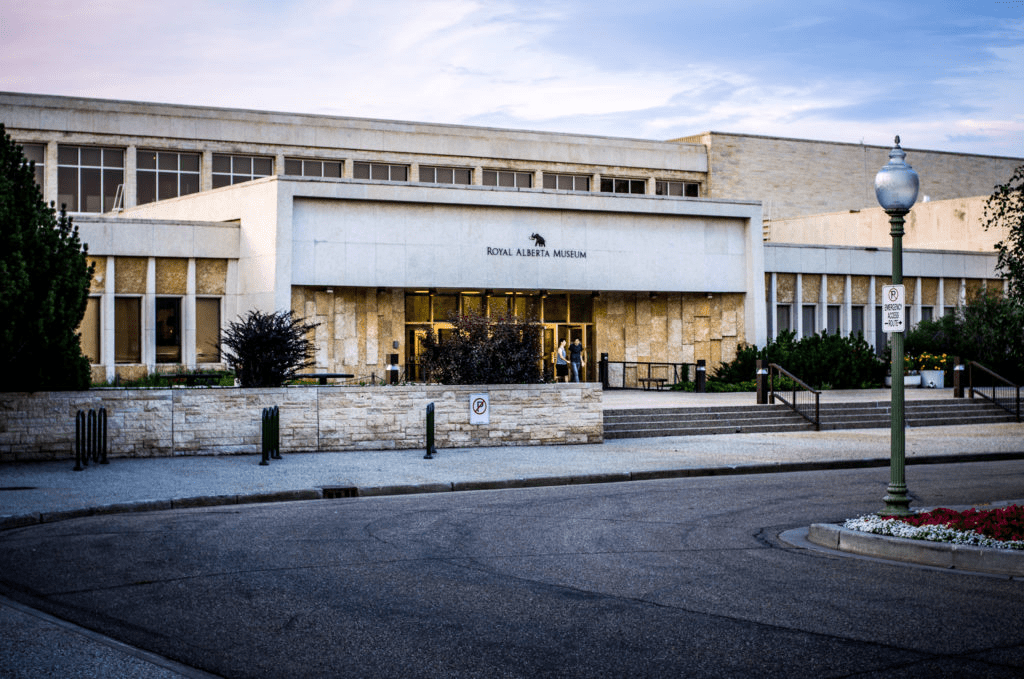
Planning for the museum began in 1950. In 1962, two architects were specially commissioned for the new building. The decision was made to hire Raymond O. Harrison, who had previously been involved in designing the Vancouver Maritime Museum.
The museum finally opened to the public in 1967. The first exhibits were dedicated to the fur trade, Indigenous peoples, early photographs of Aboriginals, as well as agriculture and industry.
The museum gradually expanded thanks to the dedicated work of its staff. In 1968, new exhibits featuring dinosaurs that once inhabited Alberta’s territories were added. In 1969, the natural history section was enhanced with displays on volcanoes and the thrush family of birds. In 1982, the museum’s paleontology program was separated to help establish the renowned Royal Tyrrell Museum of Palaeontology.
Throughout the 1980s, the museum played a vital role in sharing information about Alberta through guidebooks, curatorial programs, and research published in journals, academic articles, and other publications. Around this time, the museum also began creating computerized records for as many works in its collection as possible. Its natural history research collections were recognized as among the best in Canada.
The museum became a popular venue for film screenings, cultural performances, concerts, award ceremonies, receptions, and even weddings. By the late 1990s, various community groups regularly used the museum for their events. You can still rent space at the museum today, which offers a truly unique atmosphere. The museum also provides a full suite of audiovisual equipment, catering, and a team of professional staff to ensure your event is a success.
In 2006, the museum’s collection was significantly enhanced by the purchase of the James Carnegie Collection. At a Sotheby’s auction, a collection of North American Indian artifacts was acquired from the Carnegie family, including a beaded dress valued at US$497,600.
The museum was granted its “Royal” title in honour of Queen Elizabeth II’s visit to Alberta in 2005.
A New Building and New Opportunities
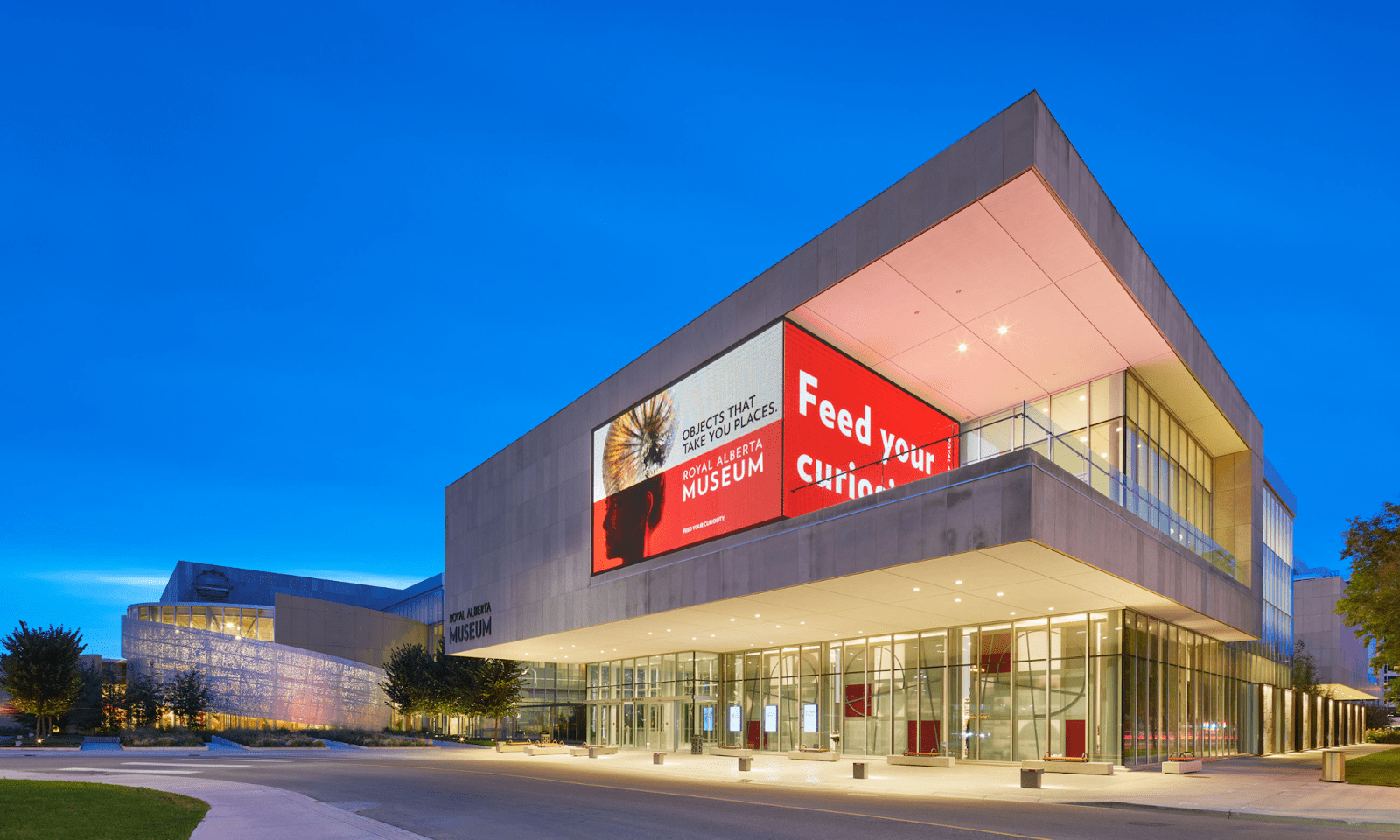
In 2011, the construction of a new downtown building for the museum was announced. The construction of the 36,000 m² facility, costing $340 million, was completed in 2015. The previous museum building was repurposed as the official residence for the Lieutenant Governor of Alberta.
Following the opening of its new facility, the Royal Alberta Museum is now considered the largest museum in Western Canada. It features spacious galleries with stunning exhibits that tell the stories of Alberta’s nature and culture. The museum also includes a dedicated 650-square-metre children’s gallery. The new building was funded in part by the Government of Alberta and the federal Building Canada Fund.
The new museum is more than just a beautifully designed space; it’s an authentic reflection of what Alberta is today and what it will be in the future. It truly embodies the diversity of Alberta’s culture and tells local stories with modern confidence. Here, you’ll find 2.4 million unique stories told through exhibits, tours, and educational programs.
Additionally, the new Royal Alberta Museum is just steps away from other major Edmonton cultural institutions, including the Art Gallery of Alberta, the Citadel Theatre, and the Winspear Centre.
The Museum’s Mission and Values
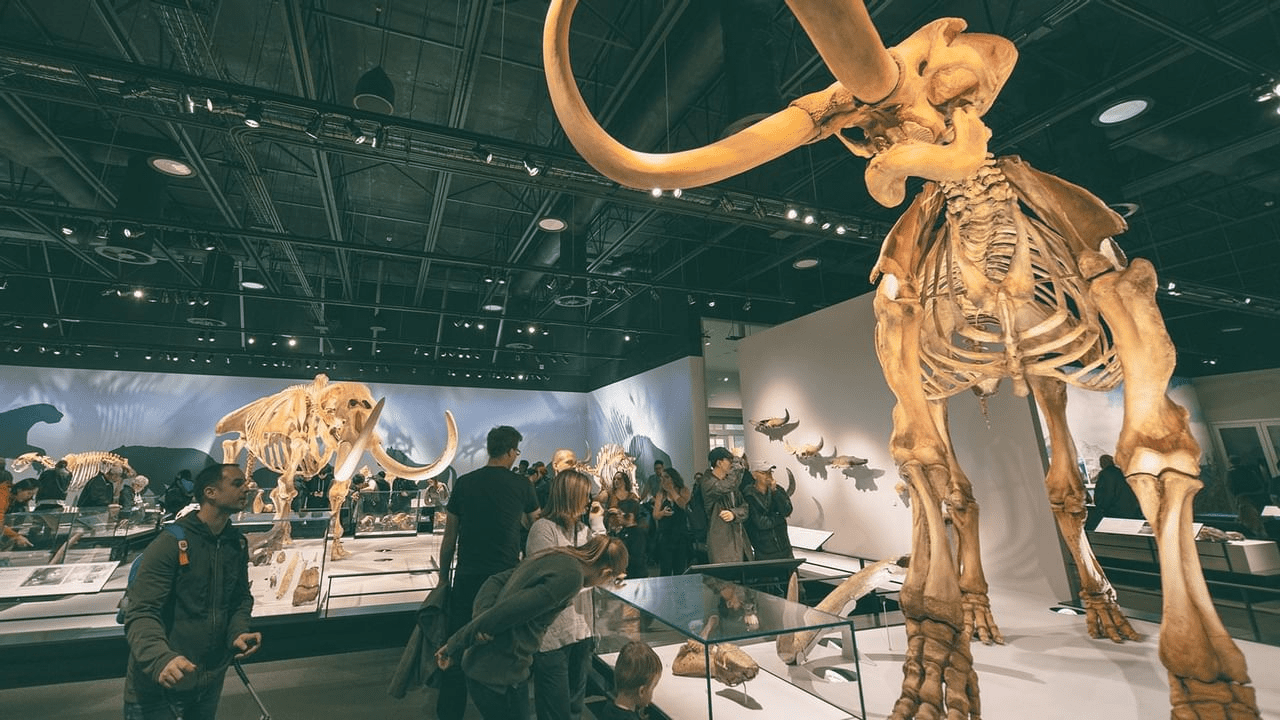
The museum’s primary mission is to create a space for sharing and celebrating knowledge, fostering a sense of belonging, and inspiring the courage to make a difference in the community. The Royal Alberta Museum is a place where you will find inspiration to interact, participate, and connect.
The Royal Alberta Museum is a provincial museum that supports the province’s collection, research, and conservation activities. It showcases and shares the long history of Alberta and its Indigenous peoples. The museum’s main task is to collect, preserve, research, and disseminate information.
The museum has an excellent educational program that encourages exploration and new understandings of Alberta. It offers interactive programs for visitors of all ages, school programs, and a series of special events that will appeal to everyone.
In summary, the Royal Alberta Museum is a vibrant cultural hub that inspires, educates, and unites the community. The museum’s story is one of continuous growth and expanding possibilities. Thanks to its modern exhibits and educational programs, the museum remains a key destination not only on the map of Edmonton but all of Canada.