

In and around Edmonton, there are numerous bridges, each serving crucial transportation and infrastructure roles. One that deserves special attention is the Kinnaird Ravine Bridge—a significant piece of urban architecture and logistics. In this article on edmonton-future.com, you’ll learn more about its history and structural features.
Construction Plans
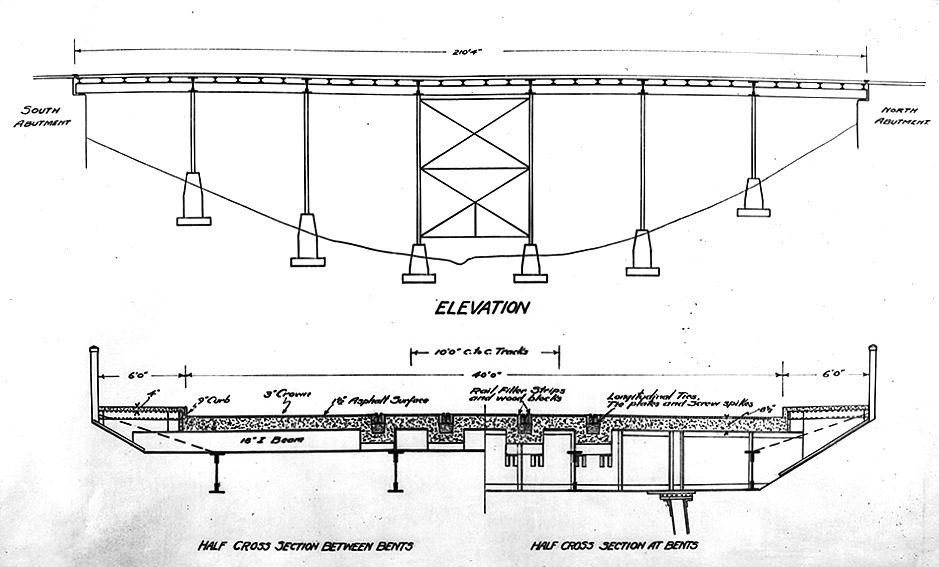
The old Kinnaird Ravine trestle bridge was in rough shape. Built in 1909 for $7,000, it was a simple wooden structure. For years, city officials insisted it was merely a temporary fix until something bigger and better could be built. Decades passed, however, and nothing materialized. By January 1931, with inspectors and residents fearing the bridge was on the verge of collapse, City Council finally ordered the construction of a replacement.
Uncertainty about how to proceed significantly stalled the project. A major hurdle was the design—specifically, whether to use concrete or steel. City engineers pushed for steel, favouring it for its flexibility to handle the movement of streetcar lines. On the flip side, a concrete bridge would be slightly cheaper and much more aesthetically pleasing, plus it would utilize Alberta materials. The Edmonton Trades and Labour Council backed the concrete option, as it offered the greatest potential for local employment.
Another hotly debated topic was the idea of filling in the Kinnaird Ravine entirely. Although touted as a large-scale Great Depression make-work project that could employ 100 people, it saw minimal support from the local community. A delegation from the Cromdale Community League strongly opposed the idea. They argued that filling the ravine would cause severe traffic disruptions in both Cromdale and the Highlands—disruptions that would be unavoidable if a bridge were built. A subsequent community meeting in early December made it crystal clear: residents overwhelmingly preferred building a steel or concrete bridge over the ravine instead.
An Accident on the Old Bridge
The timing of this consensus couldn’t have been better. For months, officials had been warning that the deteriorating Kinnaird bridge was no longer safe. Only stopgap repairs had saved it from total demolition. Despite these efforts, the aging structure nearly claimed three lives the previous November. The Edmonton Bulletin reported that on November 23, 1931, at 1:50 a.m., a Chevrolet Coupe driven by Alex Hamilton of Armena, Alberta, skidded 48 feet through the shaky bridge railing at 82nd Street and 111th Avenue. The car flipped and plunged 50 feet into the Rat Creek ravine. Hamilton suffered an injured right arm, passenger Robert Jacobs walked away unscathed, and Clara Max sustained severe cuts and lacerations to her right ankle.
Building and Opening the New Bridge in Tough Times
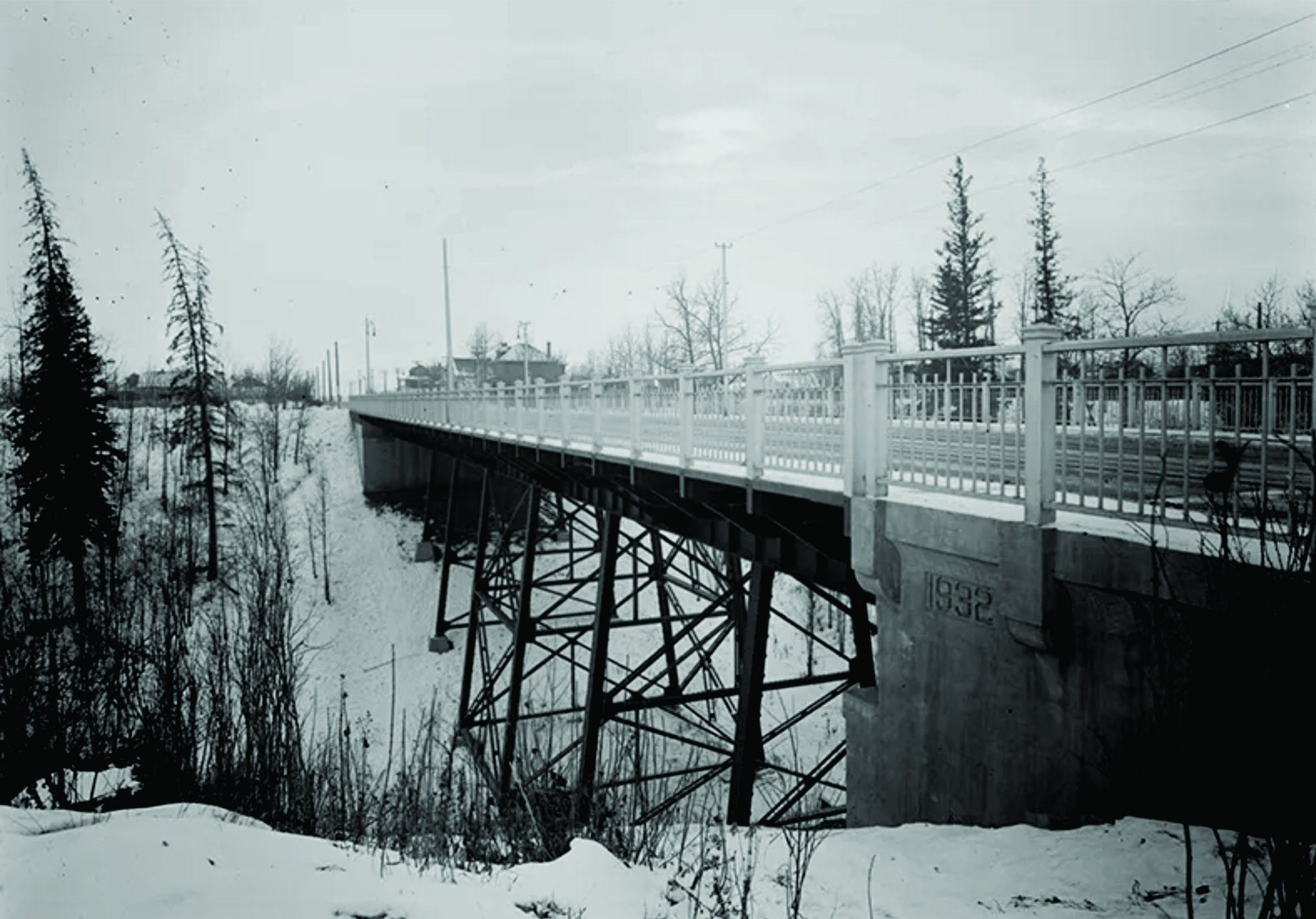
Ultimately, the city played it safe, opting for a conservative steel-truss bridge with a concrete deck and built-in streetcar tracks. The tender was awarded to the Dominion Bridge Company, with a strict stipulation: the bulk of the 400 to 500-man crew had to consist of unskilled labourers earning union wages.
Funding projects like the Kinnaird Bridge was a massive challenge. The money was scraped together through federal relief legislation—specifically the Unemployment Relief Act and the subsequent Unemployment and Farm Relief Act. These acts were Ottawa’s primary tools for battling the Great Depression, injecting $20 million into relief efforts. At the time, this was a staggering sum, roughly ten times the amount spent on unemployment relief throughout the entire 1920s.
Construction kicked off on December 29, 1931, with crews drilling for the foundation. By January 19, the new concrete piers were finished, clearing the way for the old wooden bridge to be dismantled. The new construction advanced so quickly that tearing down the old structure became an urgent necessity. However, unforeseen delays pushed the demolition back from the 22nd to the 25th, and further disruptions dragged on into April.
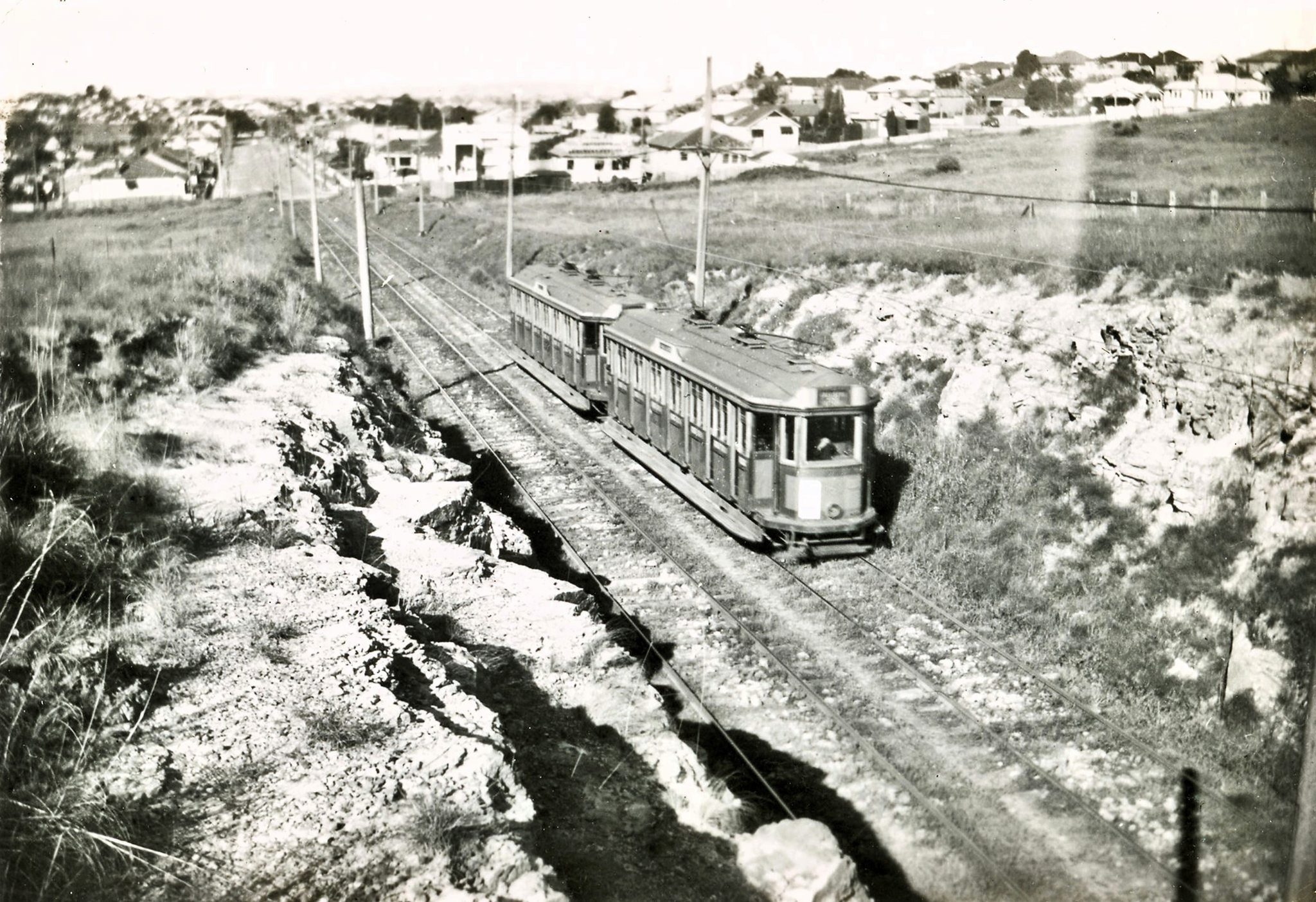
This wreaked havoc on the city’s streetcar network. While the new bridge would eventually carry fresh tracks, traffic had to be entirely rerouted during construction. Streetcars bound for the Highlands, which typically travelled east along Jasper Avenue and north up 82nd Street, were forced to detour via 101st Street. W.J. Cunningham, superintendent of the electrical and street railway departments, tried to downplay concerns, claiming the detour only added a few extra minutes to the trip. The Edmonton Radial Railway managed to maintain its fifteen-minute intervals, but the wider geographical loop meant trips were less direct and noticeably longer, despite Cunningham’s assurances.
Transit riders were vocal in their complaints, but they weren’t the only ones suffering. According to The Edmonton Journal, A.E. Kinnear, a gas station owner at the corner of 112th Avenue and 82nd Street, petitioned the city to refund his $75 business license for 1932. He argued that the traffic detours caused by the Rat Creek bridge construction and the closure of 82nd Street had severely decimated his business.
Yet, the true hardships were borne by the men building the bridge. City crews risked their lives and health in dangerous conditions, battling freezing temperatures and icy winds during a prolonged cold snap. As The Journal noted, crews kept working despite the biting cold. Frozen ground, dense underbrush, and grueling labour conditions made progress incredibly difficult.
Fair wages also became a battleground. At a city finance committee meeting on May 9, former mayor Daniel K. Knott revealed that unionized bridge workers were being paid $1 per hour, while non-union workers earned just 70 to 90 cents. Alderman James W. Findlay was furious and demanded that city commissioners investigate the wages paid by the Dominion Bridge Co. This sparked a prolonged and bitter dispute.
The new Kinnaird Ravine Bridge officially opened on April 30, 1932—just in time for fans heading to an Edmonton Grads game at the arena. Streetcar service resumed the following day. By the end of its first week, an estimated 10,000 Edmontonians had already crossed the new span.
Decades later, in 2022–2023, the city undertook a major rehabilitation of the bridge. Crews reinforced the piers and upgraded the pedestrian walkways, ensuring the structure will serve the community for decades to come.
Today, the story of Edmonton’s Kinnaird Ravine Bridge stands as a prime example of how technical, economic, and social forces shape urban infrastructure. From a makeshift wooden trestle to a robust steel crossing, the bridge survived public debates, the financial ruin of the Great Depression, and the growing pains of a booming city. Now, it not only serves as a vital transportation link but also remains a proud piece of Edmonton’s heritage—proving how the engineering triumphs of the past, when properly maintained, continue to serve the modern city.