

David Manz’s innovative work tackles one of the world’s most pressing issues: access to clean drinking water. He is an internationally recognized expert in irrigation engineering and sustainable water management. One of his most famous inventions, the Manz BioSand Filter, has earned widespread global acclaim as an effective and affordable water purification solution. Today, this filter is actively used across various countries, providing safe drinking water to millions of people, edmonton-future.com reports.
Childhood and Education
Born in Regina, Saskatchewan, in 1947, David spent his entire childhood on a small farm. There, he learned a practical, hands-on approach to life and discovered his passion for science. He also picked up a classic Canadian farm tradition: if something breaks down, you take it apart, figure out what went wrong, and fix it. Naturally, after high school, Manz enrolled in the University of Saskatchewan’s Agricultural Engineering program, earning his Bachelor of Science degree. Fascinated by water resources, he stayed at the university and soon completed his Master of Science in Hydrology. This path gave David the perfect blend of engineering precision and the more subjective, nuanced aspects of studying water systems.
During his university years, he met his future wife, Nora. In 1974, the family moved to Edmonton, where David took a job as a flood forecasting engineer with Alberta Environment. By 1975, however, he decided to switch gears. Alongside working as an independent consultant on various water-related projects—including water and wastewater treatment, and designing water supply and irrigation systems—he turned to academia. He began teaching in the environmental research program at Lethbridge Community College. David enjoyed his time there, but after five years, he was ready for a new challenge, eventually pursuing his PhD at the University of Alberta.
It was during his tenure as an associate professor in the Department of Civil Engineering at the University of Calgary that his work truly went global. In 1988, as part of a collaboration with the university’s international development department, David travelled to KwaZulu-Natal in South Africa and the island of Mindanao in the Philippines. He saw firsthand how people living in poverty were entirely cut off from clean water—not just for drinking, but for bathing, too. Without clean water, a vicious cycle of disease takes hold, often leading to death. As Manz put it, without clean water, people simply cannot reach their full potential.
Taking in the sheer scale of the crisis in these countries, David realized that millions of people worldwide were in the exact same boat. Channelling those early days on the farm, he became obsessed with the idea of fixing a system that was clearly broken.
Inventing the Manz BioSand Filter: How Simple Tech Gained Global Acclaim
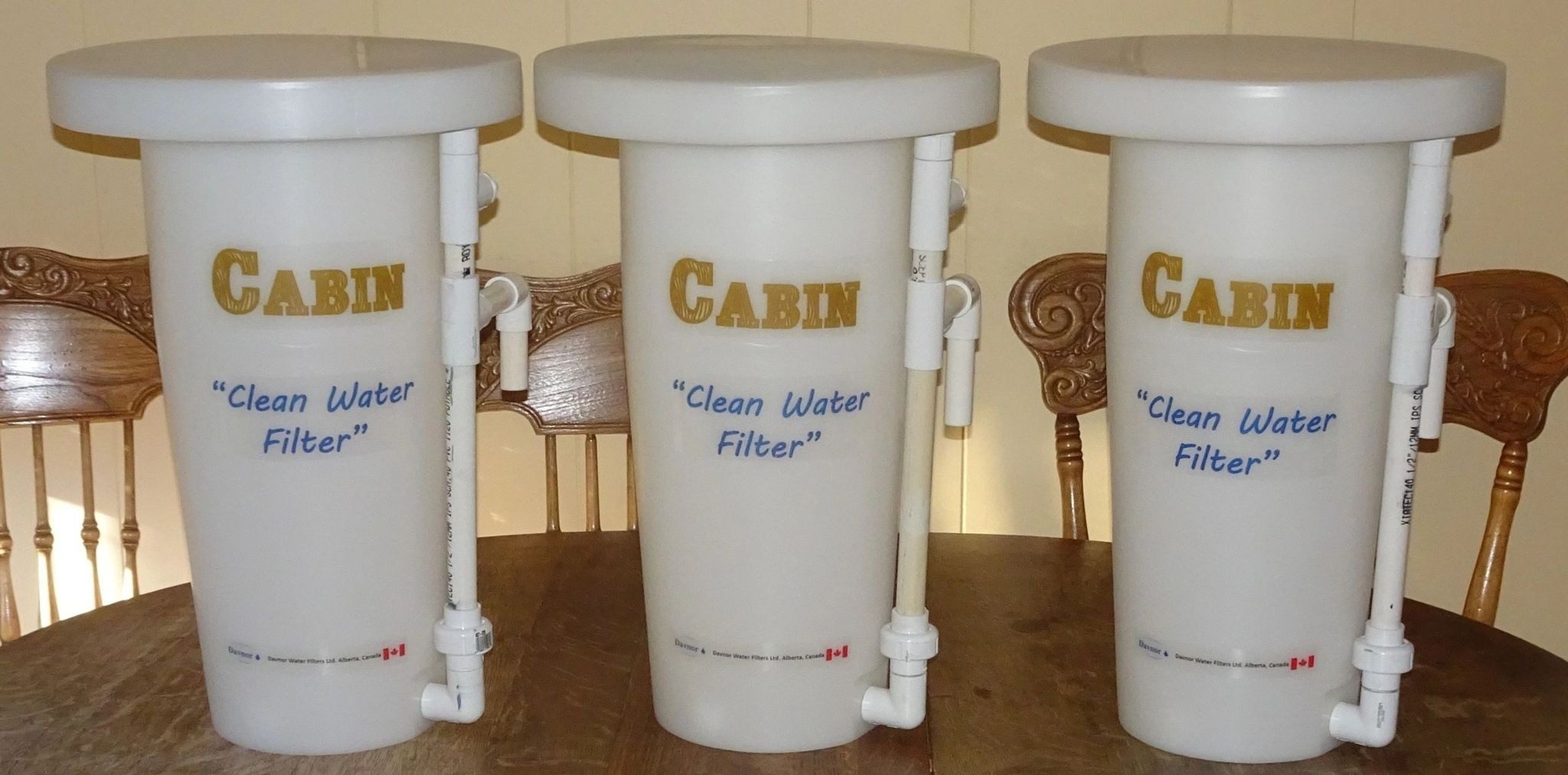
In 1989, David began working on what would eventually become the world-renowned Manz BioSand Water Filter (BSF). He dug into older filtration systems to figure out why they failed and how to fix their flaws. His research revealed that previous filters, which relied on the slow sand filtration concept, had two major drawbacks. First, there was no way to pause and restart the water flow. Second, the biological layer essential for the filtration process lacked protection. Backed by a group of fourth-year engineering students and using his own money, he set out to build a better technology.
He built his first device using readily available, off-the-shelf materials. By 1991, Manz finally had the chance to test his prototype, and he was thrilled to find it exceeded all his expectations. The filter worked exactly as intended and looked perfectly suited for everyday household use.
Going Global: Manz’s Contribution to Clean Water Access
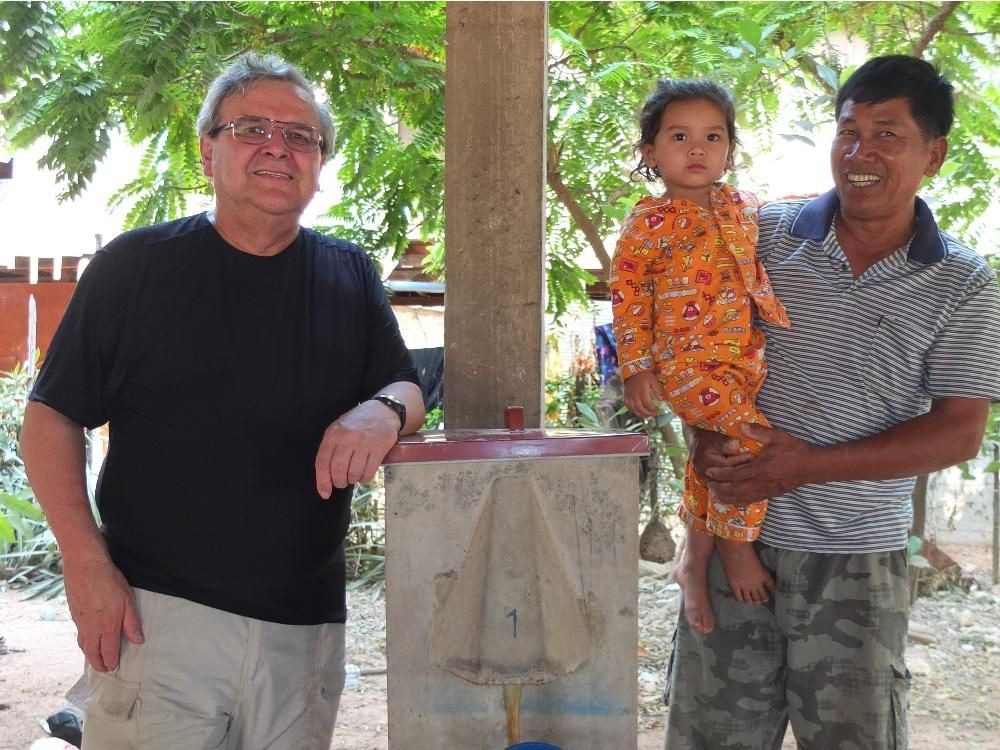
The next step was putting the system to the test in the real world. Thanks to initial funding from the Pan American Health Organization, David and one of his graduate students travelled to Nicaragua in 1993. They hit the local markets for materials and headed down to the river to scoop up sand for filtration. Then, they installed the systems in four homes, waiting anxiously to see if they’d actually work. Thankfully, the filters did exactly what they were supposed to do, and the locals were absolutely thrilled with the results.
Manz returned to the University of Calgary to fine-tune the filter’s design and push for its wider rollout. In 1994, another grant helped install 60 BSFs in Nandaime, a small town in Nicaragua.
From that moment on, David spearheaded the international expansion of this simple, practical solution. He patented the BSF in 1995, but he approached the venture as a humanitarian rather than a businessman. He happily traded potential personal wealth for the deep satisfaction of helping those in desperate need of life’s most essential resource: clean water.
David worked tirelessly to bring BSFs to communities in:
- Nicaragua
- Costa Rica
- The Dominican Republic
- Haiti
- Indonesia
- Chile
- Zimbabwe, and other countries.
None of this would have been possible without massive support from Samaritan’s Purse Canada, Rotary Clubs, and the Canadian government via the International Development Research Centre (IDRC). With backing from the Prairie Farm Rehabilitation Administration (PFRA), a company was even launched in the 1990s to commercialize the filters and provide safe water to folks in rural and remote Canadian communities.
Part of the BSF’s incredible success comes down to its low cost, easy maintenance, and the fact that it doesn’t need electricity—making it incredibly simple to set up almost anywhere. By keeping the design open-source and freely available to others, David ensured the technology could be adopted to benefit millions of people.
In 2000, Manz left his post at the University of Calgary to focus full-time on bringing his filtration tech to both domestic and international markets. A year later, he co-founded the Centre for Affordable Water and Sanitation Technology (CAWST) to carry on his humanitarian mission. The centre’s goal is to teach people how to use this straightforward, affordable tech to get safe drinking water in their homes, while also boosting the sanitation and hygiene standards that come with it.
Over the last 30 years—since the BSF was first created, countless NGOs were trained, and CAWST was born—Manz’s design has led to the production of more than two million BioSand filters in almost every developing nation on Earth. Alongside its partners, CAWST has helped install 910,000 filters across 74 countries, bringing safe drinking water to 6.5 million people.
David Manz’s career is a testament to his dedication to helping people understand the impacts of climate change and, in turn, inspiring them to take action. To this end, he continues his work at the University of Calgary, teaching continuing education courses on global warming and climate change. Manz has also had a direct hand in mitigating the environmental footprint of major infrastructure projects in Alberta, including the Oldman River Dam, the Calgary International Airport runway project, and the Exshaw water treatment plant.