

Choosing the right exterior for a home is one of the most significant decisions a homeowner can make. Not only does the exterior define the property’s curb appeal, but it also serves as the primary shield against environmental elements. High-quality residential siding is designed to protect the structural integrity of a building while providing thermal insulation and aesthetic value. When exploring renovation options, homeowners often turn to experienced professionals like Family Siding to ensure that the materials selected are both durable and suited to the specific architectural style of the house.
Popular Materials for Residential Siding
The modern market offers a diverse range of siding options, each with its own set of technical characteristics and maintenance requirements. Understanding these differences is essential for making an informed investment that will last for decades.
Vinyl Siding remains the most popular choice across North America. Its popularity stems from its incredible versatility and cost-effectiveness. Modern vinyl is engineered to resist fading and can mimic the texture of natural wood or stone. It requires almost no maintenance beyond an occasional wash with a garden hose.
Fiber Cement Siding is often considered the gold standard for durability. Composed of cement, sand, and cellulose fibers, this material is non-combustible and resistant to termites and rot. It can be painted in any color and offers a heavy, substantial feel that closely resembles traditional wood planks without the susceptibility to moisture damage.
Engineered Wood Siding provides the warmth of natural timber but uses treated wood fibers combined with high-grade resins. This process creates a product that is significantly stronger and more resistant to fungal decay and wood-boring insects than standard lumber.
Technical Characteristics and Performance
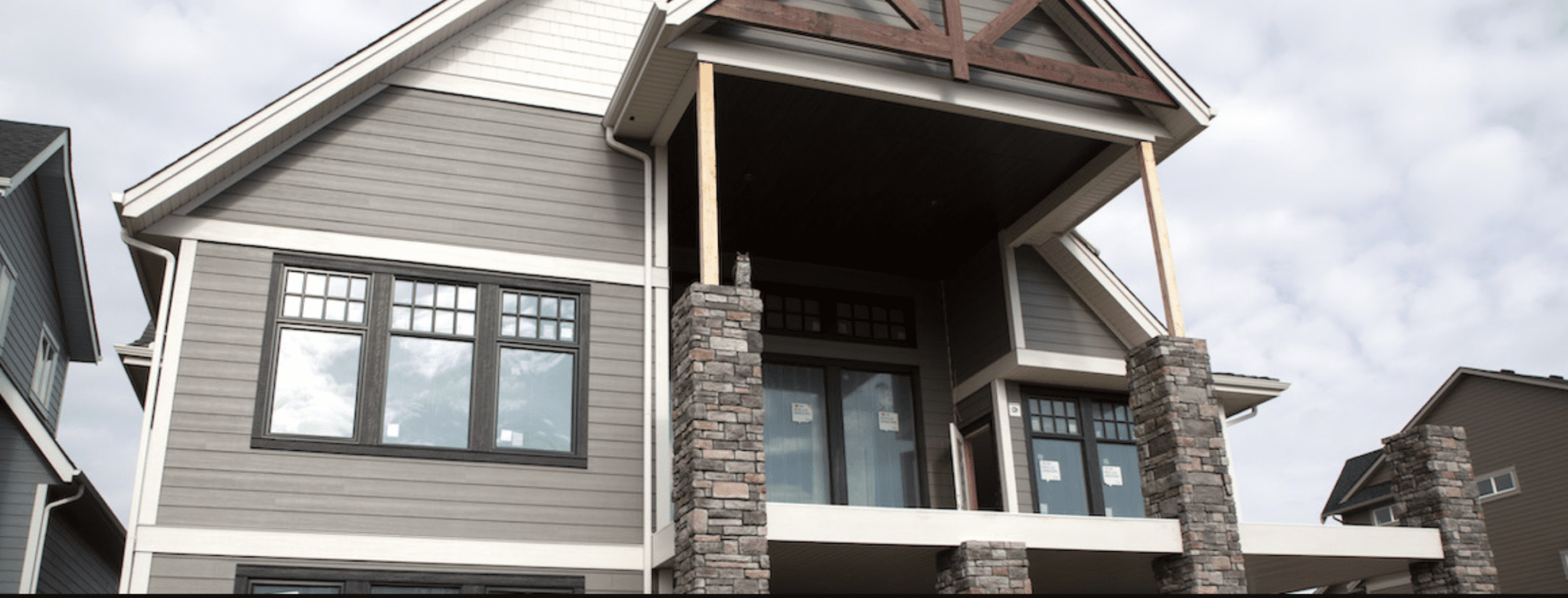
When evaluating different siding types, it is important to look beyond the surface. The performance of residential siding is measured by several key factors that determine its long-term value:
- R-Value (Thermal Resistance): This measures how well the material prevents heat from escaping or entering the home. Insulated siding options can significantly reduce energy bills.
- Impact Resistance: In regions prone to storms or hail, the ability of the siding to withstand physical impact without cracking or denting is paramount.
- Moisture Management: Proper siding systems include a water-resistive barrier and specialized channels to ensure that moisture does not become trapped against the home’s wooden frame.
- Flame Spread Rating: Materials like fiber cement or metal offer superior fire resistance compared to traditional wood or certain plastics.
The Role of Aesthetics and Texture
The visual impact of a home’s exterior is largely determined by the profile of the siding. Horizontal lap siding is a timeless classic, while vertical board and batten styles are gaining popularity for modern farmhouse designs. Shakes and shingles are frequently used as accents on gables to add architectural interest and texture. Color retention technology has also improved significantly, meaning homeowners no longer have to worry about their siding becoming dull or chalky after a few years of sun exposure.
Why Professional Installation Matters
Even the highest-quality material will fail if it is not installed correctly. Siding must be allowed to expand and contract with temperature changes. If nailed too tightly, vinyl can buckle; if gaps are not properly sealed, fiber cement can allow moisture to seep into the wall cavity.
Professional installers ensure that the flashing around windows and doors is integrated seamlessly with the siding panels. This comprehensive approach to the “building envelope” is what prevents long-term issues like mold growth or structural rot. Furthermore, many manufacturers only honor their warranties if the product was installed by a certified contractor.
Considerations for Challenging Climates
Homeowners living in areas with extreme weather variations must be particularly selective. For instance, those looking for reliable siding in Calgary need materials that can withstand rapid temperature shifts, heavy snow, and potential hail. In such environments, the choice of material and the quality of the installation become the deciding factors in how well a home maintains its value and comfort levels over time.
Investing in high-quality siding is one of the most effective ways to increase a property’s resale value. By balancing material costs with long-term durability and energy efficiency, you can create a safe, beautiful, and sustainable home environment. Before starting your project, always consult with experts to determine which siding profile and material composition best fit your local climate and budget.